By Sara Curley
There’s a part of many people that doesn’t yell, push, or demand. It doesn’t create conflict or even ask for much. Instead, it fades away.
It drifts out of conversations. It stops responding to texts. It forgets what it was going to say. It zones out while watching TV or scrolling through social media. It becomes quiet—not in a peaceful, meditative way, but in a way that’s hard to fully describe.
A quiet that feels like leaving.
This part of us doesn’t always get noticed. From the outside, it might look like we’re just tired or distracted. From the inside, it can feel like something is shutting down. A kind of emotional fog or distance that shows up when life starts to feel like too much.
I’ve known that part in myself. I didn’t always realize what was happening at first. I just knew there were times when I couldn’t stay fully present, no matter how hard I tried. My body might be in the room, while something in me had pulled away. Conversations felt like work. Making decisions felt impossible. I didn’t want to be dramatic or cause problems. I just wanted to disappear for a while.
That’s exactly what this part is trying to do—disappear. It was trying to help. In its own way, it was protecting us from overwhelm, from shame, from emotional intensity, from conflict we’re not ready to deal with. It’s doing what it learned to do in moments when being fully present didn’t feel safe or manageable.
In parts work, we often talk about these inner responses as “parts”—aspects of ourselves that hold specific roles, fears, or functions. If that language doesn’t resonate with you, the experience likely will. Most people have moments when they check out or go numb, even if they don’t know why. The invitation isn’t to analyze that response or make it go away. It’s to meet it with some understanding.
When we look more closely at the part that disappears, what we often find is that it’s carrying a lot.
Not always big stories or dramatic memories. Sometimes it’s just the long accumulation of being overstimulated, overlooked, or expected to manage too much with too little. Sometimes it’s shame. Sometimes it’s exhaustion. Sometimes it’s grief that never got named. Whatever it is, this part is doing its best to carry it quietly, without disrupting anyone else.
We don’t ask that part to change. We don’t try to talk it out of hiding or convince it to come forward. Instead, we create space to witness what it’s holding. We listen for the burden underneath the disappearance. Often, that burden isn’t just emotional—it’s relational. It’s the weight of feeling unseen. The pressure to not make things harder for others. The belief that disappearing is the safest thing you can do when connection feels uncertain.
When we meet that part with compassion—when we offer it presence instead of performance—it begins to relax. Sometimes slowly. Sometimes not at all. But even the act of turning toward it, without trying to fix or change it, can begin to shift something.
Over time, that part may begin to lay some of what it’s carrying down. Not because it was forced to, but because it’s no longer carrying it alone.
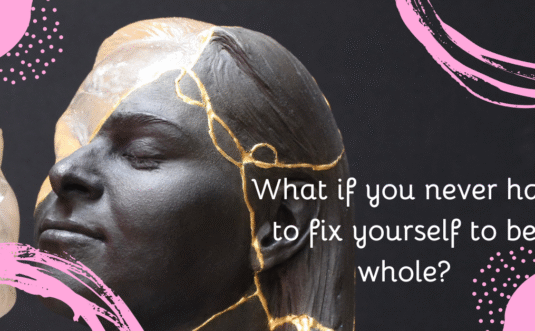
If you’ve noticed yourself checking out more often lately—emotionally, mentally, or even physically—I want you to know there’s nothing wrong with you. You don’t need to fix the part of you that wants to disappear. You can meet it. You can learn from it. You can give it space to breathe.
And you don’t have to do that alone.